
Track your order
All Offers
Track your order
All Offers

Truck downtime is never just “the truck is in the shop.” It is a moving pile of costs that keeps growing while the wheels are not turning. One breakdown can hit revenue, labor, customer service, compliance, and dispatch all at once. That is why the real question is not only what failed, but how fast the right part can be sourced.
For fleet managers, maintenance leaders, and owner-operators, downtime is one of those expenses that hides in plain sight. The repair invoice is visible. The lost miles are not. The tow bill is visible. The missed load opportunity is not. And when parts sourcing slows down, the clock keeps running.
This article breaks down the true cost of truck downtime, shows where the money really goes, and explains why parts sourcing is often the difference between a same-day repair and a multi-day revenue drain.
Truck downtime is the period when a vehicle is unavailable for productive use. That can happen because of a breakdown, an inspection failure, a repair delay, a parts wait, weather disruption, or an out-of-service order. In simple terms: if the truck is not earning, it is in downtime.
There are two broad types:
The difference matters because planned downtime is usually cheaper, calmer, and easier to manage. Unplanned downtime is where costs spike fast. It affects utilization, dispatch reliability, customer commitments, and fleet reputation. A truck sitting still is not just a maintenance issue. It is a business issue.
Downtime can be triggered by mechanical failures, compliance violations, or parts shortages, but the financial damage looks similar once the truck stops earning. The truck does not care whether the delay came from a bad sensor, a brake issue, or a backordered part. The meter keeps running either way.
Most fleets first count the obvious items: towing, repair labor, and parts. That is understandable. Those are the numbers that show up on paper. But they are only part of the story.
The real cost stack usually includes:
That is the trap. The shop invoice may look manageable, while the hidden costs quietly outrun it. Research in the source set shows that fleets often underestimate total downtime cost by 40-60% because the visible repair bill is only about 30-40% of the true event cost.
So if you are only tracking the invoice, you are seeing the tip of the iceberg. The bigger mass is underwater: missed freight, idle driver time, rerouting, rescheduling, and customer frustration.
And this is exactly where parts sourcing enters the picture. If the correct part is already available, the truck may be back in service in hours. If not, the same failure can stretch into a day, two days, or more.
The most cited benchmark for unplanned truck downtime is about $448 to $760 per vehicle per day. That range appears across industry sources tied to FleetNet America and ATA TMC benchmarking.
Penske’s independent research lands in the same neighborhood, with a truckload carrier figure of about $637 per day based on average weekly revenue per truck. That matters because it shows the benchmark is not a random number. Different sources are pointing to the same economic reality: a parked truck burns money.
Once indirect costs are added, a typical unplanned Class 8 downtime day can land much higher than the benchmark range suggests. In many cases, the all-in daily hit can reach $1,600 to $2,600 depending on revenue profile, labor structure, and customer penalties.
Here is the simple truth: downtime is not a static accounting line. It is a live revenue leak.
Model your own fleet’s number with our interactive downtime cost calculator.
That is why a truck parked for a day is not “just one day.” It is a chain reaction.
Every breakdown tends to create the same five cost layers, even if the numbers vary.
This is the visible shop bill. It is the easiest to track, but it is rarely the biggest part of the total event. A brake repair, sensor replacement, or aftertreatment fix may look reasonable on paper until the downtime math is added.
Once the truck is disabled outside normal operating conditions, towing becomes part of the bill. Roadside recovery, load transfer, mobile mechanic dispatch, and after-hours service all add cost. Remote locations and interstate breakdowns make this worse.
Drivers do not vanish when the truck stops. They are still on the clock, still waiting, still being paid in some form. Breakdown pay, idle pay, layover pay, and reassignment time all add up.
This is often the largest hidden cost. A truck that would normally run 500-700 miles per day is now sitting still. That lost earning capacity can easily exceed the repair bill.
Late delivery can trigger fees, dock appointment penalties, contract issues, and future rate pressure. The damage does not stop with one load. It can affect future business too.
The important part? These costs happen at the same time. That is why downtime feels so expensive. It is not one bill. It is five bills arriving together.
Here is the engineering truth: downtime is often a parts-logistics problem disguised as a repair problem.
The same failure can produce very different outcomes depending on whether the correct part is already on hand, available locally, or stuck in dealer backorder. A simple repair can become a multi-day event if the part is wrong, delayed, or hard to source.
That is why sourcing speed changes the hours-down column more than the repair cost itself. The repair may only take a few hours. The wait for the part can take a full day or more.
Think about it this way: a truck waiting on a part is still generating cost even if the actual wrench time is short. The truck is not earning. The driver is waiting. The customer is asking questions. The dispatch board is getting messy.
Parts sourcing is not just procurement. It is uptime strategy 🛡. When a truck is down, the fastest route back to revenue is often to post a HOTLINE request and let multiple vetted sellers bid on the exact part at once.
A brake failure is a perfect example.
If the issue is caught during pre-trip inspection, it may be a short bench repair. The truck stays in the shop, the part is ordered in advance, and the event stays controlled.
If the same brake issue happens on the roadside, the story changes fast. Now you may need towing, emergency labor, load transfer, and expedited parts delivery. The mechanical problem is the same. The downtime cost is not.
The same pattern shows up with:
These failures become especially expensive when the right part is not immediately available. Timing decides whether the event stays small or turns into a multi-day disruption.
That is why fleets should stop asking only, “What broke?” and start asking, “How fast can we source the fix?”
Not every failure creates the same downtime profile. Some are quick and manageable. Others are expensive and slow. The benchmark table below gives a practical view of common Class 8 failure categories.
A few things stand out here. First, the repair cost is not always the main problem. Second, the hours-down range is where sourcing speed shows its power. Third, a low-cost part can still create a high-cost event if it is not available quickly.
That is the hidden math of downtime.
A truck that is down is not just costing money. It is also failing to earn money.
If a truck normally produces loaded miles every day, then every hour off the road is lost gross revenue. For many fleets, that lost revenue is larger than the repair invoice itself. A single day can erase thousands in earning capacity before the shop bill even arrives.
For example, one source notes that a truck running 500 revenue miles at $3.50 per mile could lose $1,750 in gross revenue in a single day. That is before towing, labor, or penalties.
Now multiply that across repeated events or multiple trucks. The math gets ugly fast.
This is why downtime is a fleet utilization problem, not just a maintenance problem. If your truck is parked, your asset is not producing. Simple as that.
Drivers stay in the picture even when the truck is not moving. They may be on breakdown pay, idle pay, or waiting for reassignment. That means labor cost continues while revenue pauses.
Then there is the Hours of Service clock. Under FMCSA rules, a driver has a 14-hour on-duty window and 11 hours of driving time before a mandatory 10-hour reset. Breakdown waiting time counts against that 14-hour window.
That detail matters more than many fleets realize.
If a truck breaks down in hour eight of the day and the repair takes three hours, the driver may have less than three hours of usable driving time left. That can force a reset or cause a missed appointment. So the breakdown does not just delay the truck. It can also wipe out the rest of the driver’s legal work window.
That is one reason parts delays are so costly. A part that arrives late can turn one lost hour into a lost day.
Once a truck is disabled, the cost structure changes. You are no longer in normal maintenance mode. You are in emergency mode.
That usually means:
Emergency labor is materially more expensive than planned maintenance labor. Trade sources in the research set show median heavy-duty shop labor around $149/hour, mobile repair near $160/hour, and dealership emergency labor often in the 150-250/hour range. In-house fully loaded technician cost can be much lower, around 45-75/hour.
That spread is huge.
And towing is not cheap either. One source notes towing can run $500 to $1,500, with remote or after-hours events pushing higher. ATRI’s tow invoice analysis also showed average invoices of $11,681, and $18,154 when predatory charges were present.
So yes, the truck may need a tow. But the bigger issue is this: poor parts availability often forces the truck into the most expensive service channel available. That is why it pays to find towing services near you before the breakdown, not during it.
Downtime is not always caused by a breakdown. Sometimes it starts with an inspection.
CVSA Roadcheck data makes that very clear. In the 2025 International Roadcheck, brake systems were 24.4% of all vehicle out-of-service violations, and 20% defective brakes added another 16.7%. Combined, brake-related violations made up 41.1% of all vehicle OOS violations.
In the 2026 Roadcheck, the combined brake-related share was still 39.1%. That is not a small number. That is a pattern.
The 2026 Brake Safety Day also showed how fast a truck can be parked: 4,021 inspections in one day, with 574 vehicles or 14.3% restricted from travel due to brake-related OOS violations.
That means inspection-triggered downtime is not theoretical. It is happening every year, at scale. A CVSA brake inspection prep checklist belongs in every pre-Roadcheck PM plan.
And when a truck is placed out of service, the event becomes both a financial hit and a compliance record. That is why preventive maintenance and parts readiness are part of safety strategy, not separate from it.
Some failure categories keep showing up because they are common, safety-critical, and sensitive to parts availability.
Brake systems are the top roadside violation category in CVSA data year after year. They are also one of the clearest examples of how a small defect can become a big downtime event.
Tires are another frequent source of roadside interruption. A blowout may look simple, but it can still trigger towing, replacement, and schedule disruption.
Modern emissions systems can trigger derates or shutdowns. These repairs often require exact-fit components, correct cross-referencing, and specialized knowledge. If the part is not available quickly, the truck can sit for days.
These categories matter because they are not just common. They are also highly sensitive to sourcing discipline. The wrong part number, the wrong supplier, or the wrong lead time can turn a manageable repair into a long outage. If brake readiness is the gap, browse brake and clutch components from vetted sellers and stage them before the inspection window.
Reactive repairs are expensive because they happen under pressure. Planned maintenance is cheaper because it happens on your terms.
Industry benchmark data shows reactive repairs can run 3 to 9 times the cost of the same work done as planned maintenance. That is a massive multiplier.
Why does that happen?
A planned brake service might cost $600 to $1,200. The same brake issue handled roadside can jump to $2,400 to $6,000 or more once recovery and delay are included.
That is why preventive maintenance is not just about avoiding failure. It is about moving the repair into a cheaper, calmer, more controllable environment.
And yes, parts sourcing is part of that. Planned maintenance gives you time to verify part numbers, compare suppliers, and stage inventory before the truck is down. That starts with choosing a commercial truck repair shop before you need one — not during the emergency.
Parts availability decides whether a repair takes hours or days.
Fast-moving wear parts like filters, shoes, chambers, and common sensors can often be sourced quickly. Slow-moving or specialized components are a different story. Aftertreatment ECUs, specific castings, and certain transmission parts may sit on dealer backorder lists for days or weeks.
That lead-time variance is one of the biggest hidden drivers of downtime severity.
A few practical realities matter here:
Availability is not just a procurement issue. It is an uptime strategy. If the part is ready, the truck can move. If the part is missing, the truck waits.
A lot of downtime pain comes from avoidable sourcing mistakes.
VIN decoding errors and supersession chain mistakes can send the wrong part to the shop. One wrong digit can strand the truck again. A VIN-based parts lookup app closes most of that risk before money changes hands.
Reman parts can save money, but only if the core return is documented properly. If the core fails grading or the condition is unclear, the savings can disappear.
Cheap parts can become expensive if they fail early or create warranty problems. A low upfront price is not a win if the truck is back down next week.
Warranty claims often fail because the failure trail is incomplete. Keep the failed part, work order, fault codes, photos, and torque specs. No trail, no claim.
Even the correct part can fail if it is installed incorrectly. Brake and air-system components are especially sensitive here.
These are not small details. They are downtime multipliers.
Traditional procurement often works like this: call one dealer, wait, call another, compare notes, repeat. That is fine when time is not urgent. It is painful when a truck is down.
A demand-first sourcing model flips the process. You post the need once, and multiple vetted sellers respond at the same time. That saves hours of phone calls and fragmented quote chasing.
Why it helps:
That matters because in breakdown mode, speed often beats perfection. The goal is not to spend all day shopping. The goal is to get the truck moving again.
For urgent repairs, sourcing should feel like a fast lane, not a maze.
📚 Related reading: a step-by-step truck parts buying process and a heavy-duty parts marketplace with verified fitment.
Not every part belongs on the shelf. But some parts absolutely should be considered for internal stock.
A smart inventory strategy looks at:
Fast-moving wear parts are often worth stocking because they prevent short, avoidable outages. Slow-moving, high-value components may be better handled through pre-approved supplier relationships rather than deep inventory.
The point is not to stock everything. The point is to stock the right things.
If a part fails often and can stop a truck quickly, it deserves attention. If a part is rare but expensive, it may be better to have a sourcing plan ready instead of tying up cash in inventory.
That balance is where uptime gets smarter.
Small fleets often pay more per mile for maintenance and repairs. That is not because they are careless. It is because they have less purchasing volume, fewer vendor relationships, and less leverage on pricing.
ATRI data shows a sharp gap: fleets with fewer than five trucks averaged 27.5 cents per mile in repair and maintenance, while fleets over 1,000 trucks averaged 16.9 cents per mile. That is a big spread.
Small fleets also tend to feel sourcing delays more sharply. One truck down can hurt the whole operation. There is no spare unit waiting in the yard.
Large fleets can spread procurement systems, inventory planning, and vendor relationships across more units. Small fleets can still compete, but they need to be disciplined about verification, preventive planning, and sourcing speed.
If you run a small fleet, every sourcing decision matters more than you think.
A missed delivery is not just a missed delivery.
It can trigger:
Some retail and shipper agreements can fine late deliveries by a percentage of shipment value. One example in the source set notes penalties up to 3% of shipment value. On a $50,000 load, that is $1,500.
That is not pocket change.
The bigger issue is future business. Customers remember reliability. If your truck is late today, the next load may go to someone else tomorrow. So downtime affects not only current revenue but also future revenue relationships.
Parts sourcing speed protects more than the truck. It protects trust.
If you want to manage downtime well, you need to measure it well.
The most useful KPIs are:
Why these matter:
ATRI’s 2025 benchmark put repair and maintenance at $0.215 per mile, up 8.6% year over year. That number is useful because it gives fleets a common yardstick. But the real insight comes when you compare your own fleet against it.
If your CPM is high, your sourcing process may be part of the problem.
Top fleets do not just repair faster. They prevent more failures from becoming emergencies.
They usually combine:
They treat downtime as a measurable business problem, not an unavoidable nuisance. They know which parts to stock, which vendors to trust, and which failures need advance planning.
They also understand that reactive repairs are expensive by design. So they work to move as many repairs as possible into planned windows.
That is the real edge. Not magic. Just discipline.
Here is the simple operating model:
The goal is simple: shorten the time between failure detection and repair start. That is where the money is won or lost.
This is why the best fleets do not just “fix trucks.” They design the repair path before the truck fails.
Truck downtime is expensive because it is never only one thing. It is repair cost, lost revenue, driver time, towing, compliance exposure, and customer damage all stacked together. The shop invoice is only the first page of the story.
The real lever is parts sourcing. If you can get the right part fast, verify it correctly, and stage it before failure whenever possible, you shrink the hours-down side of the equation. That is where the biggest savings live.
So the next time a truck goes down, ask a sharper question: Was this really a repair problem, or was it a sourcing problem wearing a repair costume?
Keep exploring: ready to turn surplus inventory into revenue? sell your used truck parts to fleets that need them fast.
The standard benchmark is about $448 to $760 per vehicle per day, with Penske’s truckload estimate around $637/day. Once indirect costs are added, the all-in daily hit can be much higher.
No. The repair invoice is often only 30-40% of the true cost. Lost revenue miles, driver wages, towing, and customer penalties can be just as large or larger.
One cited fleet benchmark puts it at 8.7 unplanned downtime days per truck per year.
Brake systems are a major issue. CVSA data shows brake-related violations make up a very large share of vehicle out-of-service events, followed by tires.
Yes. Benchmark data shows planned maintenance can reduce unplanned downtime significantly, and reactive repairs can cost 3-9 times more than the same work done in a planned setting.
Yes. Mechanical defects found roadside can lead to violations and out-of-service orders, which can affect compliance history and future inspection exposure.
A simple formula is: average daily revenue + daily fixed costs + driver cost + penalty exposure. That gives you a much more realistic number than the repair invoice alone.
Often yes, especially when speed matters. A reman part can get the truck moving sooner, but you should verify condition grading, warranty terms, and core-return rules first — our core return grading guide explains exactly what to document.
A demand-first sourcing model. Post the need once, let multiple vetted sellers respond, compare location and price, and confirm compatibility in real time.
Fast-moving wear parts, common sensors, and other high-frequency failure items are often worth stocking. Slow-moving parts may be better handled through pre-approved sourcing relationships.
See Related Blogs
View All Blogs


Truckpartsmart
Truck Downtime Costs: How Parts Sourcing Drives Uptime
Nov 17, 2026 · 6 min read
Truckpartsmart
Where to Buy Truck Parts, WI
September 28, 2026 · 6 min read

Truckpartsmart
Heavy-Duty Truck Fuel Efficiency Kits
September 2, 2026 · 6 min read

Truckpartsmart
Marketplace App for Truckers
September 1, 2026 · 6 min read

Truckpartsmart
Best Truck Mechanic App
August 31, 2026 · 6 min read
Truckpartsmart
Aftermarket Truck Parts
August 24, 2026 · 6 min read

Truckpartsmart
Mobile Truck Repair Services
August 21, 2026 · 6 min read
Truckpartsmart
Truck Spare Parts
August 20, 2026 · 6 min read

Truckpartsmart
Sell Truck Parts from Your Phone
August 19, 2026 · 6 min read
Truckpartsmart
Used Truck Parts Demand
August 18, 2026 · 6 min read
Truckpartsmart
Truck Tire Repair Service
August 13, 2026 · 6 min read
Truckpartsmart
Used Auto vs. Truck Parts for Export
August 12, 2026 · 6 min read
Truckpartsmart
Top Aftermarket Truck Parts for Sale
August 7, 2026 · 6 min read
Truckpartsmart
Best Truck Parts for Fuel Efficiency
August 3, 2026 · 6 min read
Truckpartsmart
Reliable Trailer Repair Services
July 30, 2026 · 6 min read
Truckpartsmart
Best Truck Parts for your Vehicle
July 29, 2026 · 6 min read

Truckpartsmart
Diesel Truck Repair Services
July 24, 2026 · 6 min read

Truckpartsmart
Smart Truck Performance
July 15, 2026 · 6 min read

Truckpartsmart
Emergency Truck Towing Service
July 13, 2026 · 6 min read
Truckpartsmart
Buy Truck Parts in Wisconsin
July 8, 2026 · 6 min read
Truckpartsmart
Affordable Truck Replacement Parts
July 6, 2026 · 6 min read

Truckpartsmart
Truck Roadside Assistance USA
June 30, 2026 · 6 min read

Truckpartsmart
Where to Buy Reliable Cooling System Parts for Your Truck
June 17, 2026 · 6 min read

Truckpartsmart
Transmission Repair for Semi Trucks
June 10, 2026 · 6 min read

Truckpartsmart
Best Heavy-Duty Truck Parts Shop
June 4, 2026 · 6 min read
Truckpartsmart
Find High-Quality OEM Truck Parts
June 2, 2026 · 6 min read
Truckpartsmart
Semi Truck Maintenance Services
May 25, 2026 · 6 min read

Truckpartsmart
Roadside Mechanic for Trucks
May 20, 2026 · 6 min read

Truckpartsmart
OEM vs Aftermarket Truck Parts
May 19, 2026 · 6 min read

Truckpartsmart
Truck Welding and Fabrication Service
May 15, 2026 · 6 min read

Truckpartsmart
The Best Truck Parts Brands
May 13, 2026 · 6 min read

Truckpartsmart
Commercial Truck Repair Shops
April 28, 2026 · 6 min read
Truckpartsmart
Buying Truck Parts
April 24, 2026 · 6 min read

Truckpartsmart
Online Truck Parts for Drivers
April 23, 2026 · 6 min read
Truckpartsmart
OEM vs Aftermarket Truck Parts
April 8, 2026 · 6 min read

Truckpartsmart
Trucking Service App Download
April 6, 2026 · 6 min read

Truckpartsmart
Best Semi-Truck Brake Pads
April 3, 2026 · 6 min read
Truckpartsmart
Top-Rated Truck Replacement Parts
April 2, 2026 · 6 min read

Truckpartsmart
Smart Truck Parts to Upgrade Performance
April 1, 2026 · 6 min read

Truckpartsmart
Best Truck Parts Buying Apps of 2026
March 31, 2026 · 6 min read

Truckpartsmart
Truck Parts Shopping Apps
March 30, 2026 · 6 min read

Truckpartsmart
Truck Repair Service App
March 30, 2026 · 6 min read

Truckpartsmart
Truck Fuel Efficiency Parts & Upgrades Guide
March 27, 2026 · 6 min read

Truckpartsmart
Package Truck Parts Safely
March 24, 2026 · 6 min read

Truckpartsmart
Best Truck Parts VIN Lookup App USA
March 24, 2026 · 6 min read

Truckpartsmart
Where to Buy Genuine Truck Parts Online
March 18, 2026 · 6 min read

Truckpartsmart
Truck Exhaust Systems: Components, Functionality, and Maintenance
March 17, 2026 · 6 min read

Truckpartsmart
Explore Affordable Heavy-Duty Truck Parts Guide
March 16, 2026 · 6 min read

Truckpartsmart
Explore the Best Truck Parts Apps for Drivers
March 13, 2026 · 6 min read

Truckpartsmart
Affordable Truck Parts for Volvo, Freightliner, Kenworth & More
March 12, 2026 · 6 min read

Truckpartsmart
Best Genuine Cooling System Parts for Your Truck in 2025
March 12, 2026 · 6 min read

Truckpartsmart
Suspension Parts for Trucks
March 11, 2026 · 6 min read

Truckpartsmart
The Ultimate Guide to Online Truck Parts Stores for Long-Haul Drivers
March 9, 2026 · 6 min read

Truckpartsmart
Where to Buy Reliable Truck Engine Replacement Parts Online
March 4, 2026 · 6 min read

Truckpartsmart
Dashboard Parts for Trucks
february 26, 2026 · 6 min read

Truckpartsmart
Top Online Stores to Buy Affordable Truck Brake Pads for Your Vehicle
february 23, 2026 · 6 min read

Truckpartsmart
Fifth Wheels for Trucks
february 20, 2026 · 6 min read

Truckpartsmart
Diesel Truck Parts Supplier USA
february 16, 2026 · 6 min read

Truckpartsmart
Used Truck Transmissions for Export
february 10, 2026 · 6 min read

Truckpartsmart
Radiators for Semi Trucks
february 5, 2026 · 6 min read

Truckpartsmart
How to Find Suspension Parts for Heavy-Duty Trucks Near You
february 2, 2026 · 6 min read

Truckpartsmart
Where to Buy Used Truck Parts for Export
January 30, 2026 · 6 min read
Truckpartsmart
Export-Ready Used Truck Parts Inventory
January 6, 2026 · 6 min read
Truckpartsmart
Export-Ready Used Truck Parts Inventory
December 24, 2025 · 6 min read

Truckpartsmart
Axle Housings for Trucks
December 16, 2025 · 6 min read

Truckpartsmart
Buy Semi-Truck Parts Near Me
December 15, 2025 · 6 min read

Truckpartsmart
Top Export Destinations for Used Truck Parts
November 24, 2025 · 6 min read

Truckpartsmart
ECM Modules for Trucks
November 13, 2025 · 6 min read
Truckpartsmart
Peterbilt Replacement Parts
November 06, 2025 · 6 min read
Truckpartsmart
Affordable Used Truck Parts for Export Markets
November 03, 2025 · 6 min read
Truckpartsmart
Volvo Truck Engine Parts
October 16, 2025 · 6 min read

Truckpartsmart
Best Parts to Export from Used Trucks
October 13, 2025 · 6 min read
Truckpartsmart
Kenworth Truck Parts Online
September 29, 2025 · 6 min read
Truckpartsmart
Heavy-Duty Truck Parts Online
September 23, 2025 · 6 min read
Truckpartsmart
Freightliner Truck Parts for Sale
September 16, 2025 · 6 min read
Truckpartsmart
Used Truck Parts for Exports
September 12, 2025 · 6 min read
Truckpartsmart
Aftermarket Truck Parts Online
September 08, 2025 · 6 min read
Truckpartsmart
OEM Truck Parts for Sale
May 5, 2025 · 6 min read
Truckpartsmart
The Ultimate Guide to the Used Truck Parts Marketplace
April 30, 2025 · 6 min read
Truckpartsmart
Online Marketplace for Truck Parts
April 24, 2025· 6 min read
Truckpartsmart
Commercial Truck Parts for Sale
April 20, 2025 · 6 min read
Truckpartsmart
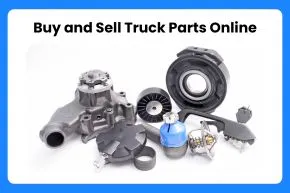
Buy and Sell Truck Parts Online
April 15, 2025 · 6 min read
Get daily news on upcoming offers from many sellers all over the world.
Download the app today and be part of the new TRUCKPARTSMART marketplace! It's the only marketplace app strictly for truck parts and truck-related services.




© TRUCKPARTSMART current_year. All rights reserved.


